
Can You Knit or Crochet with Leather? Tips & Techniques
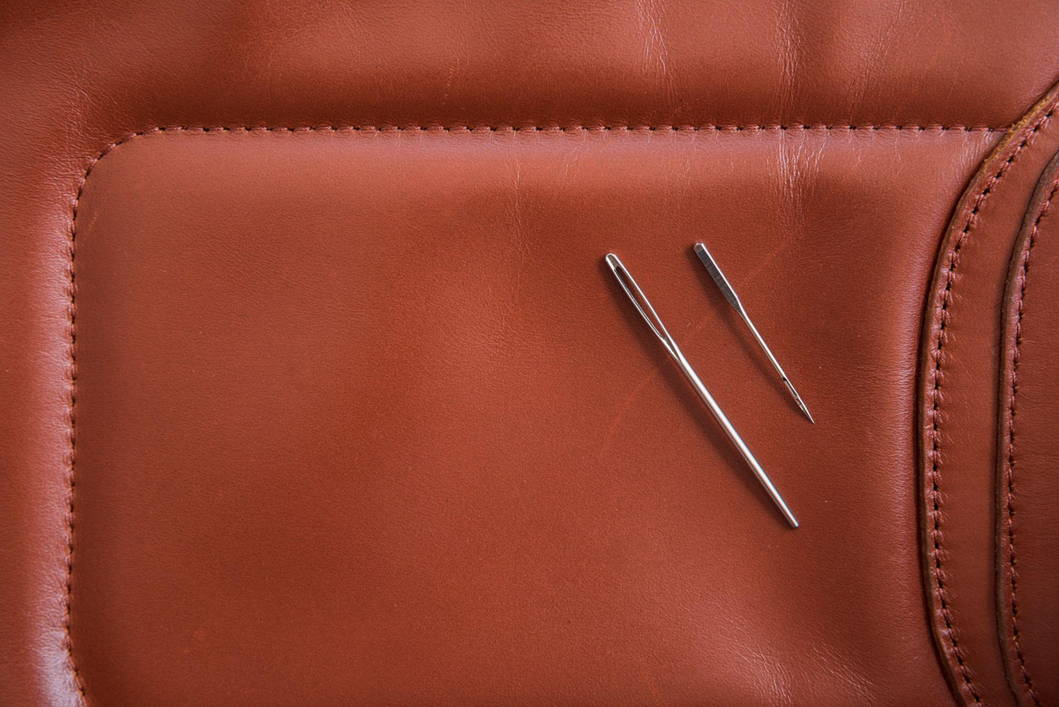
Source: freepik
Are you intrigued by knitting or crocheting but looking for a twist that sets your creations apart? Why not consider working with leather? Yes, you heard that right – leather!
This unconventional choice steps away from traditional yarn, offering a fresh perspective on crafting. Imagine turning strips or cords of leather into durable, stylish items like bags, belts, and jewelry. This article dives into the fascinating world of knitting and crocheting with leather, covering everything from selecting the correct type of leather to mastering unique techniques.
Can You Knit Or Crochet With Leather?
Knitting or crocheting with leather is a creative technique that diverges from traditional yarn crafting. It offers a unique approach to producing items with distinct textures and enhanced durability. Utilizing leather strips or cords, crafters can fashion a variety of durable goods, such as bags, belts, and jewelry, that stand out due to their robust nature and stylish appearance.
This method, however, requires modifications to conventional knitting or crocheting practices, including the adoption of specialized needles or hooks capable of accommodating the material's thickness and rigidity. Preparing leather for knitting or crocheting involves either slicing it into strips or acquiring pre-cut leather cord. Crafters must choose leather of an appropriate thickness that aligns with their project's demands.
While thicker leather may offer more excellent durability, it also makes manipulation more difficult. Conditioning the leather to enhance its flexibility is essential in this preparation process.
Choosing The Right Leather
Selecting the right leather is key in knitting or crocheting, as it directly influences the project's durability, appearance, and workability. The decision between full-grain and split more is crucial; full-grain leather, known for its natural texture and robustness, lends a premium look and feel, while split leather offers a more affordable option with variable quality. The tanning process—vegetable-tanned versus chrome-tanned leather—further affects the material's properties, with vegetable-tanned leather providing a stiffer finish ideal for structured projects and chrome-tanned leather offering more flexibility and a wider range of colors.
Types Of Leather For Crafting
Crafting with leather introduces a palette of choices, each with unique attributes. The selection spans full-grain, split leather, vegetable-tanned, and chrome-tanned leather, catering to diverse crafting demands. A nuanced understanding of these options empowers crafters to tailor their material choice to the envisioned project.
Full-Grain Vs. Split Leather
Full-grain leather, prized for its untouched grain surface, offers unparalleled durability and a rich texture that embodies the essence of quality. It is the premier choice for projects where strength and a natural aesthetic are paramount. In contrast, split leather, derived from the lower layers of the hide, provides a softer and more pliable material.
It compromises flexibility and durability and is suitable for items where a delicate touch outweighs the need for ruggedness.
Vegetable-Tanned Vs. Chrome-Tanned Leather
The tanning process is a key factor that influences leather's characteristics. Vegetable-tanned leather, treated with organic materials, develops a distinctive patina over time and retains a firm texture, making it ideal for projects requiring shape retention. Chrome-tanned leather, processed with chromium salts, emerges as a more pliable and color-rich alternative, offering creative flexibility across a spectrum of vibrant hues.
Factors In Selecting Leather
Key considerations in leather selection include thickness and flexibility, which dictate the finished product's ease of crafting and structural integrity. The color and texture variations inherent to leather also play a vital role, offering opportunities to infuse personal flair and uniqueness into each creation. Balancing these aspects ensures a harmonious alignment with project specifications, achieving functional and aesthetic excellence.
Preparing Leather For Use
Before diving into the intricate process of knitting or crocheting with leather, preparation of the material is key. This begins with cutting leather into strips, a critical step that demands precision for uniformity. The decision to use scissors or rotary cutters plays a significant role in this phase, influencing both the ease of cutting and the consistency of the strips.
Cutting Leather Into Strips
The journey to crafting with leather begins with cutting the material into strips. Precision is key, as uniform strips are essential for the consistency of the final product. This entails meticulous measurement and steady cutting techniques to ensure each piece matches in width and thickness.
Tools For Cutting: Scissors Vs. Rotary Cutters
The choice of tool—scissors or rotary cutters—significantly impacts the cutting process. Scissors offer more control for detailed cuts, making them suitable for thicker leather. Rotary cutters, conversely, glide smoothly through thinner leather, facilitating quick and efficient cutting while maintaining precision.
Techniques For Even Strips
Employing guides or templates is a strategic approach to achieving even strips. Marking the leather beforehand helps maintain consistent widths. Utilizing a straight edge as a cutting guide further ensures accuracy, contributing to uniformity across all strips.
Softening Leather Strips
Softening the strips is a crucial next step, enhancing the leather's flexibility. This makes the material more manageable for knitting or crocheting, allowing for smoother manipulation.
Natural Methods Vs. Chemical Softeners
The softening process can be approached through natural methods, such as hand-working the leather or applying natural oils, or with chemical softeners. Natural techniques are eco-friendly and gentle, while chemical options may offer quicker results but require careful handling.
Testing Softness For Knitting Or Crocheting
Testing the softness of the leather strips is essential before starting your project. This verification step ensures the material has the necessary crafting flexibility, applying a seamless crocheting experience. A simple manual test, bending and twisting a strip, can reveal if the leather is adequately prepared for use.
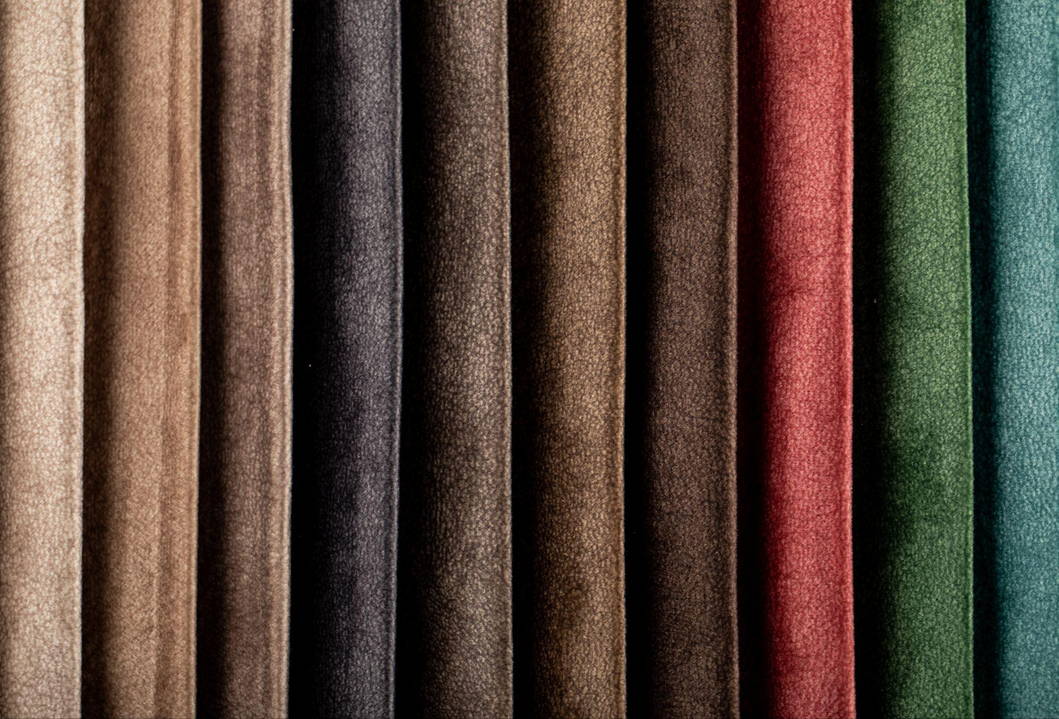
Source: freepik
Essential Tools
Navigating knitting or crocheting with leather requires an arsenal of essential tools tailored to meet the specific demands of this unique medium. Central to this toolkit are special needles and hooks crafted to pierce and manipulate leather with greater ease than their standard counterparts. These tools vary in gauge and materiality, and each selection is fine-tuned to match the project's leather thickness and crafting requirements.
Ergonomic tools play a key role for crafters, especially given the increased physical effort involved in working with leather. These specially designed needles and hooks help mitigate hand strain and fatigue, ensuring a comfortable crafting experience even during extended sessions. The preparation of leather strips necessitates precise cutting tools.
Special Needles And Hooks
These tools are specifically engineered to handle the unique challenges of leather’s thickness and resistance, ensuring crafters can efficiently pierce and manipulate the material.
Gauge And Material Considerations
Preparing appropriate gauges and materials for needles and hooks is a critical decision that inSpecialuct makes. The indicator is indispensable in leather crafting and overall texture, while the choice of material—metal, wood, or plastic—impacts the tool's durability and interaction with leather. Matching the right gauge and material to the project is key to achieving the desired results.
Ergonomic Tools For Comfort
Ergonomic tools are a boon for leather crafters. They are designed to minimize hand strain and fatigue during prolonged crafting sessions. Features like padded handles and user-friendly shapes support portable grip, making the impacting process more enjoyable and sustainable over time.
Cutting ToolscorrectLeather
Cutting tools are essential for preparing leather strips, a foundational step in leather crafting. Scissors offer precision for intricate cuts, while rotary cutters excel in making quick, clean cuts across more prolonged stretches of leather. Choosing the right tool can streamline the preparation phase, setting the stage for a smoother crafting experience.
Best Practices For Maintenance
Adhering to best maintenance practices is essential to ensuring the longevity and efficacy of crafting tools. This includes routine cleaning to remove accumulated leather particles and timely sharpening to keep cutting edges and needles sharp. Proper maintenance extends the life of these tools and enhances the quality of work.
Safety Tips
The importance of safety cannot be overstated. Adhering to best maintenance practices ensures sharp tools and rigid materials. Prang tools when not in use and employing protective gear like cutting mats and gloves are fundamental to preventing injuries. A mindful approach to safety enriches the crafting experience, ensuring it remains productive and harm-free.
Basic Techniques
Embarking on the journey of knitting or crocheting with leather begins with considering the basic techniques essential for working with such a distinct material. A key aspect is learning to adjust the tension; given leather's inherent thickness and less pliable nature compared to yarn, maintaining consistent tension is critical for uniform stitches and the project's overall look. Experimenting to find the right grip on your needles or hooks is equally important, as the usual methods may need adjustment to accommodate the unique challenges of leather.
Practice exercises can significantly enhance a crafter's ability to work with leather, leading to more consistent stitches. Another fundamental skill is understanding how to join leather strips seamlessly. Whether through knots or splicing, the objective is to achieve aesthetically pleasing and structurally sound joins, ensuring the durability and beauty of the final creation.
Adjusting Tension
Adjusting the tension is key when working with leather in knitting or crocheting projects. The inherent stiffness of leather necessitates a careful balance to ensure even stitches and the project's form. Crafters may need to adapt their tension, experimenting with how tightly or loosely they hold the leather to achieve this balance.
Finding The Right Grip
Finding the correct grip can be overstated. Leather's resistance demands a grLeather's inherent stiffness table, potentially different from the grip, even yarn. This adjusts the material to maneuver effectively and avoid hand fatigue.
Practice Exercises For Consistency
Practice exercises are invaluable for achieving consistency in leather crafting. Working on simple patterns or projects allows crafters to familiarize themselves with leather's unique characteristics. Regular practice helps refine technique, ensuring uniform stitches and professional projects.
Joining Leather Strips
Effectively joining leather strips is a skill that enhances a project's structural and visual quality. Unlike yarn, leather joins are more conspicuous and can impact the overall look. Selecting the right joining technique is essential for the piece's durability and aesthetics.
Knots Vs. Splicing
Choosing between knots and splicing to join leather strips presents a trade-off between simplicity and smoothness. Knots enhance a project's ability to handle a project interruption. Splicing creates a more refined, nearly invisible join.
Advanced Techniques
Exploring advanced techniques in the art of leather knitting and crocheting propels crafters into a realm where creativity knows no bounds. These techniques enable the incorporation of embellishments like beads and metals, infusing projects with a layer of sophistication and personal expression. The choice of embellishments demands a thoughtful consideration of design and the compatibility of materials with leather.
Incorporating Embellishments
Incorporating embellishments elevates leather knitting and crocheting projects, transforming them into personalized works of art. This involves carefully selecting and applying decorative elements such as beads, metals, or embroidery, which enhance each piece's visual appeal and uniqueness.
Selecting Beads And Metals
When selecting beads and metals for embellishments, it's essential to consider their compatibility with the leather's texture, color, and thickness. Choosing embellishments that complement rather than overwhelm the leather ensures a harmonious and balanced design, adding subtle elegance or bold character to the project.
Securing Embellishments In Projects
Effectively securing embellishments is crucial for the project's durability and integrity. Techniques vary from sewing to adhesive use, each with considerations for the type of embellishment and leather. Precision in application ensures that these decorative elements remain firmly in place, enhancing the item's longevity.
Creating Texture
Creating texture introduces depth and intrigue to leather projects. This can be achieved through varied stitch techniques, incorporating different leather thicknesses, or presenting other materials. Texture adds a tactile dimension that enriches the overall experience of the crafted item.
Techniques For Raised Patterns
Employing techniques for raised patterns requires skillful leather manipulation or integration of additional materials to achieve a three-dimensional effect. These raised designs add a sophisticated touch, making each project stand out with its intricate detailing and depth.
Blending Leather With Yarns For Texture
Blending leather with yarn for texture creates a compelling contrast between the ruggedness of leather and the softness of yarn. This technique, which can involve knitting or crocheting them together, enriches the project with diverse tactile sensations and visual complexity, offering endless possibilities for creativity and innovation.
Finishing Touches
The finishing touches on leather knitting and crocheting projects play a vital role in enhancing the item's durability, the leather's ruggedness, and the yarn's softness. They also protect edges to guard against fraying and wear, employing specific products designed for leather to achieve a smooth, enduring finish. Various edge-finishing techniques, ranging from straightforward applications of edge coats to more elaborate methods like burnishing or adding decorative trims, significantly contribute to the project's overall beauty and longevity.
Equally important is the care and maintenance of the completed leather item, which is essential for preserving its quality over time. Regular cleaning and conditioning are key to maintaining the leather's suppleness and preventing it from drying or cracking. Moreover, adhering to proper storage tips—such as avoiding exposure to direct sunlight and keeping the item in a dust-free environment—ensures that the crafted piece remains in excellent condition, cherished for years to come.
Sealing And Protecting Edges
Sealing and protecting edges is crucial in leather crafting. This step defends against fraying and wear and preserves the leather's integrity and visual appeal. Employing the right sealing techniques ensures that the edges remain robust and aesthetically pleasing over time.
Products For Edge Finishing
Crafters have access to a wide array of edge-finishing products, each offering a different finish and level of pro. This step involves using edge paints, dyes, waxes, and—like gum tragacanth—the choice of profile enhancement aesthetics that demonstrate the specific characteristics of the leather used.
Application Techniques For Smooth Edges
Mastering application techniques for smooth edges requires attention to detail and the right tools. Preparatory steps such as sanding the edges for smoothness, shaping them with edge bevelers, and applying finishes with dedicated applicators are fundamental. These methods contribute significantly to achieving a refined and professional edge finish.
Caring For Leather Items
Caring for leather items is essential for preserving their beauty and functionality over the years. Regular maintenance, including cleaning and conditioning, is key to preventing the leather from drying out or cracking. Tailoring the care approach to the type of leather ensures the best possible preservation of its qualities.
Cleaning And Conditioning
Cleaning and conditioning are vital practices in leather care. Using a soft cloth to clean and applying a suitable leather conditioner helps maintain the material's flexibility and luster. Before using any new product, it's advisable to perform a patch test on a less visible area to ensure compatibility with the leather.
