
Master the Art of Changing Colors in Crochet: Tips and Techniques
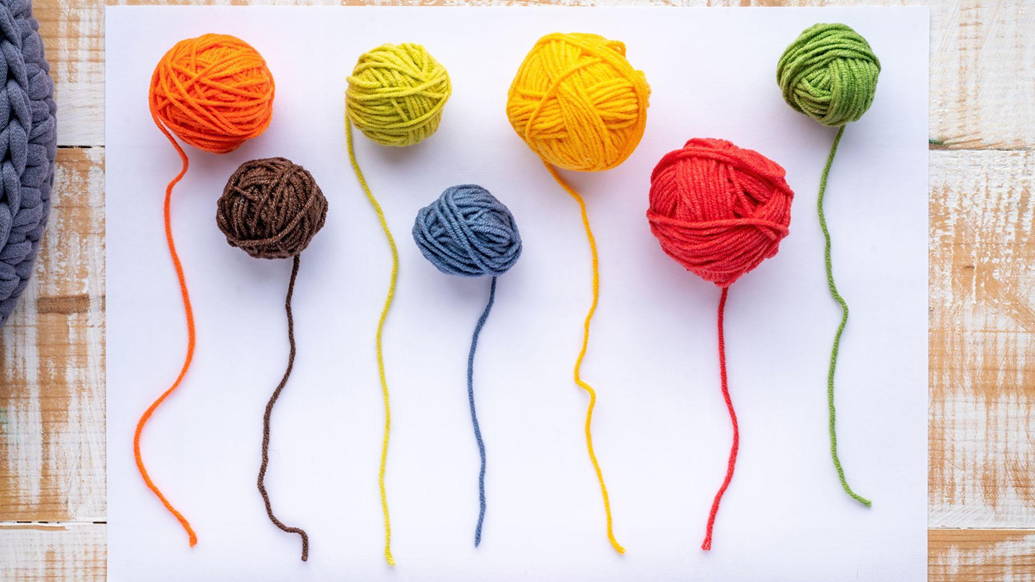
Source: freepik
Changing colors in crochet adds vibrancy and depth to your projects, allowing you to create stunning patterns, stripes, or even intricate designs. While it may seem daunting at first, mastering the art of color changes opens up endless creative possibilities. This guide explores when and how to change colors, techniques, and tips to ensure smooth transitions in your crochet work.
When to Change Colors in a Crochet Project?
Depending on your design, color changes can occur at various points in a project. Understanding when to switch colors helps maintain consistency and achieve the desired effect.
At the Beginning of a Row
One of the easiest and most common techniques is changing colors at the start of a row. This method works well for creating stripes or large blocks of color, as the transitions are clean and easy to manage. To keep the edges neat, complete the row's last stitch with the new color.
In the Middle of a project, you may need to change colors mid-row for more complex designs, such as color blocks, motifs, or detailed patterns. This requires precise technique to ensure a smooth transition without disrupting the overall texture of the project.
Choosing the Right Colors
The success of your colorwork depends heavily on the colors you choose. Consider how the colors interact with each other and your project’s theme. Complimentary shades, gradients, or bold contrasts can elevate your work. Use a color wheel or inspiration from nature, artwork, or textiles to guide your choices.
Preparing to Change Colors
Preparation is key to making your color changes smooth and professional-looking.
Selecting the Appropriate Yarn
Choose yarns of the same weight and texture to ensure uniform stitches. Mixing yarns of varying thicknesses can result in uneven rows and distort your project’s shape.
Yarn Weight and Texture
Consistent yarn weight and texture are crucial for maintaining the integrity of your design. Opt for high-quality yarns with a smooth finish for easier transitions and a polished final look.
Colorfastness
Ensure your yarn is colorfast to avoid bleeding during washing. Test your chosen yarns by soaking a small swatch in water to confirm the colors won’t run or fade.
Techniques for Changing Colors
There are several methods for changing colors in crochet, each suited to different projects and preferences.
The Traditional Method
The traditional method involves dropping the current yarn at the last step of a stitch and pulling the new color through the loops. This technique is simple and works well for fundamental color changes.
Dropping and Adding New Yarn
Drop the old yarn and pick up the new yarn without tying knots. This method keeps your work tidy and avoids unnecessary bulk. Later, secure the loose ends by weaving them into the stitches.
The Seamless Method
The seamless method incorporates the new color without visible interruption, giving it a polished look. This technique is ideal for projects with intricate patterns or frequent color changes.
Carrying Yarn Inside Stitches
Carrying yarn helps when working with multiple colors in a row, such as tapestry or fair isle crochet. The unused yarn is taken along the back of the stitches, minimizing loose ends and keeping the work tidy.
The Russian Join
The Russian join is a durable and seamless method of connecting yarns. It involves weaving the ends of the old and new yarn together to create a strong, nearly invisible join, making it perfect for color changes in delicate projects.
Joining Yarn Ends Before Crocheting
Joining the yarn ends before starting the next section can help maintain consistency in tension and avoid interruptions in your stitching flow. You can use a knot or seamless join technique, depending on your preference.
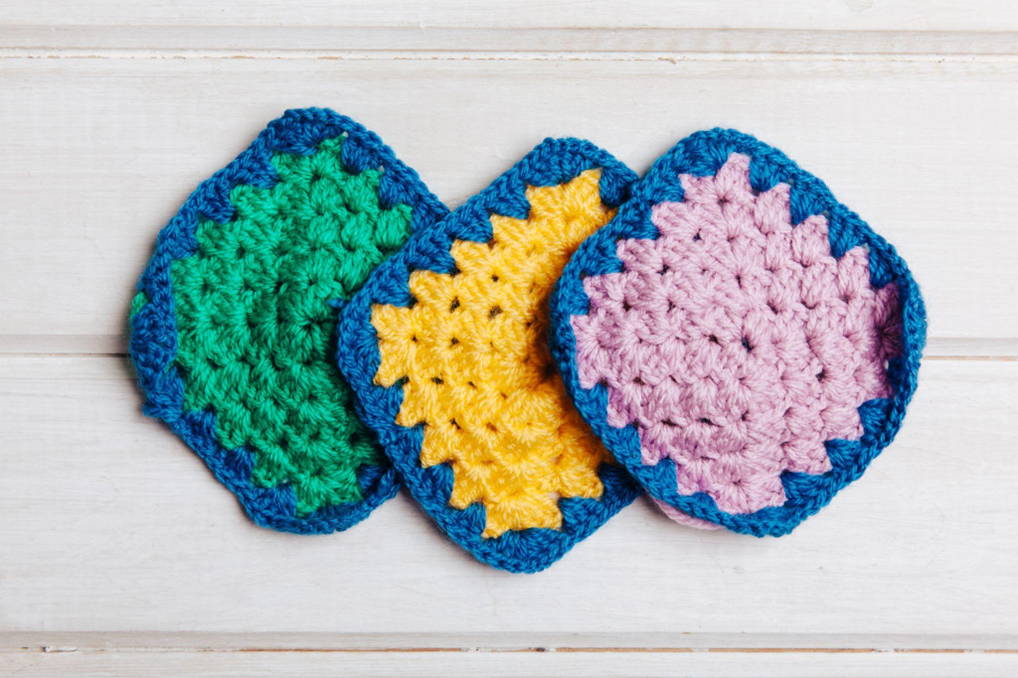
Source: freepik
Tips for Smooth Color Transitions
To ensure your color changes are neat, complete the final stitch of the old color by pulling the new color through the last loop. Keep tension consistent and weave loose ends securely to avoid unraveling. Practicing these techniques on small swatches can help you build confidence.
Fixing Mistakes in Color Changes
Mistakes happen, but they’re easy to fix. If you notice a color change error, carefully unravel the stitches to the point of the mistake and redo the section. For minor issues like uneven tension, adjust the yarn and pull gently to smooth out the stitches.
Advanced Color Changing Techniques
Once you’ve mastered the basics, explore advanced techniques like intarsia, where multiple colors are worked separately in different project sections. Mosaic crochet and planned pooling are other advanced methods that use strategic color changes to create intricate designs and patterns.
Finishing Touches for Multicolored Projects
After completing your project, weave in all loose ends using a yarn needle. Securely tuck the ends into the stitches to prevent fraying. Blocking your project can help out the tension and ensure the colors lay flat and vibrant.
Resources for Mastering Color-Changing
Learning color-changing techniques takes practice, but there are many resources to help you along the way. Online tutorials, video guides, and pattern books provide detailed instructions and inspiration. Some recommended resources include the blogs Once Upon a Cheerio and The Loopy Lamb, which feature step-by-step guides for seamless color transitions.
